Signal - Master Thesis (2026)
Best Practices for Re-Traversal using Gating Techniques to Increase Player Engagement
-
Role: Level Designer
Game: Dying Light 2: Stay Human: Level Mod
Engine: Chrome Engine
Team Size: Solo Project
Keywords: Gating, Hard Gates, Soft Gates, Re-traversal, Hubs, Hub and Spoke Level Design, Player Engagement, and Gatherables
Level Description
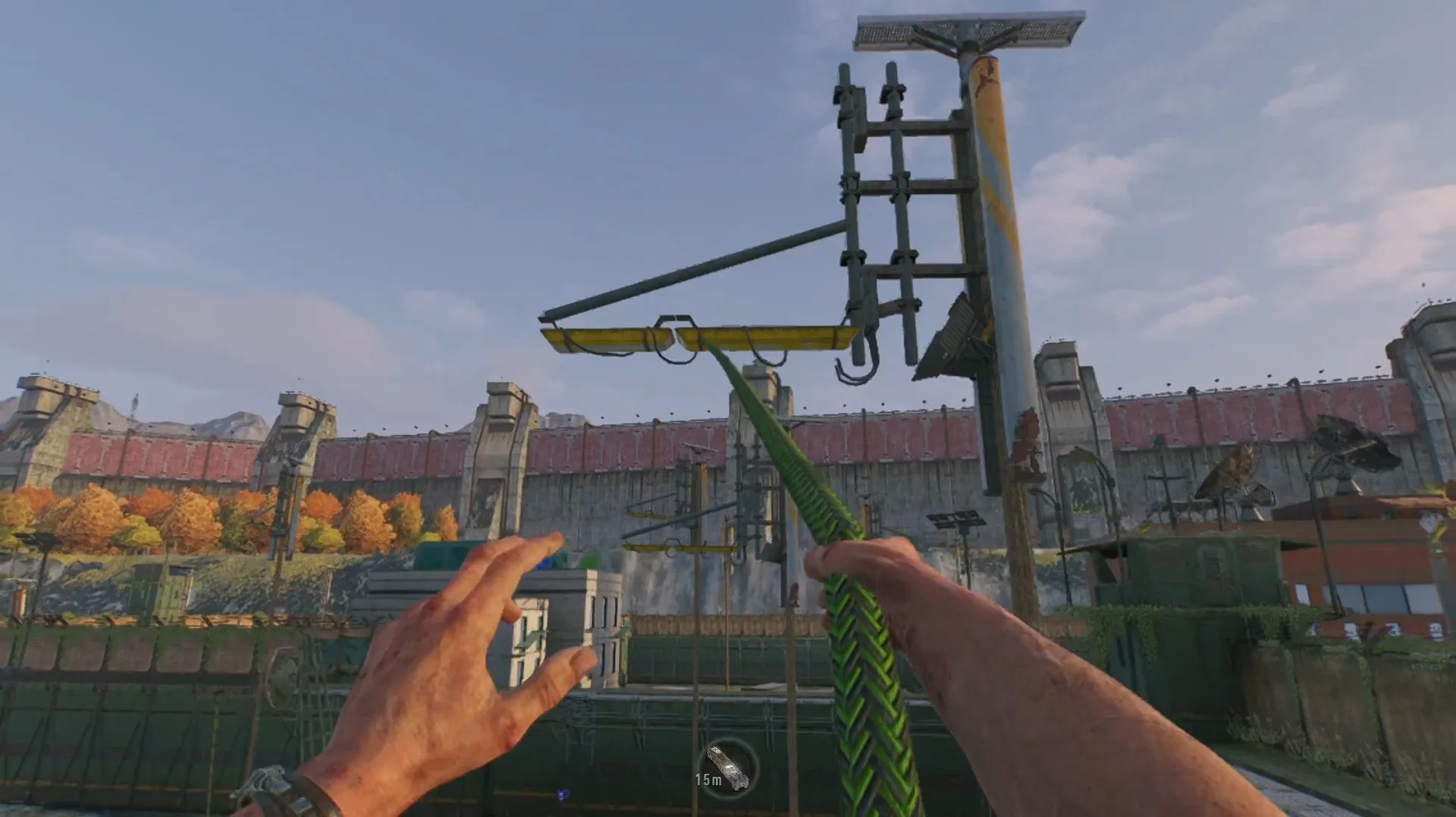
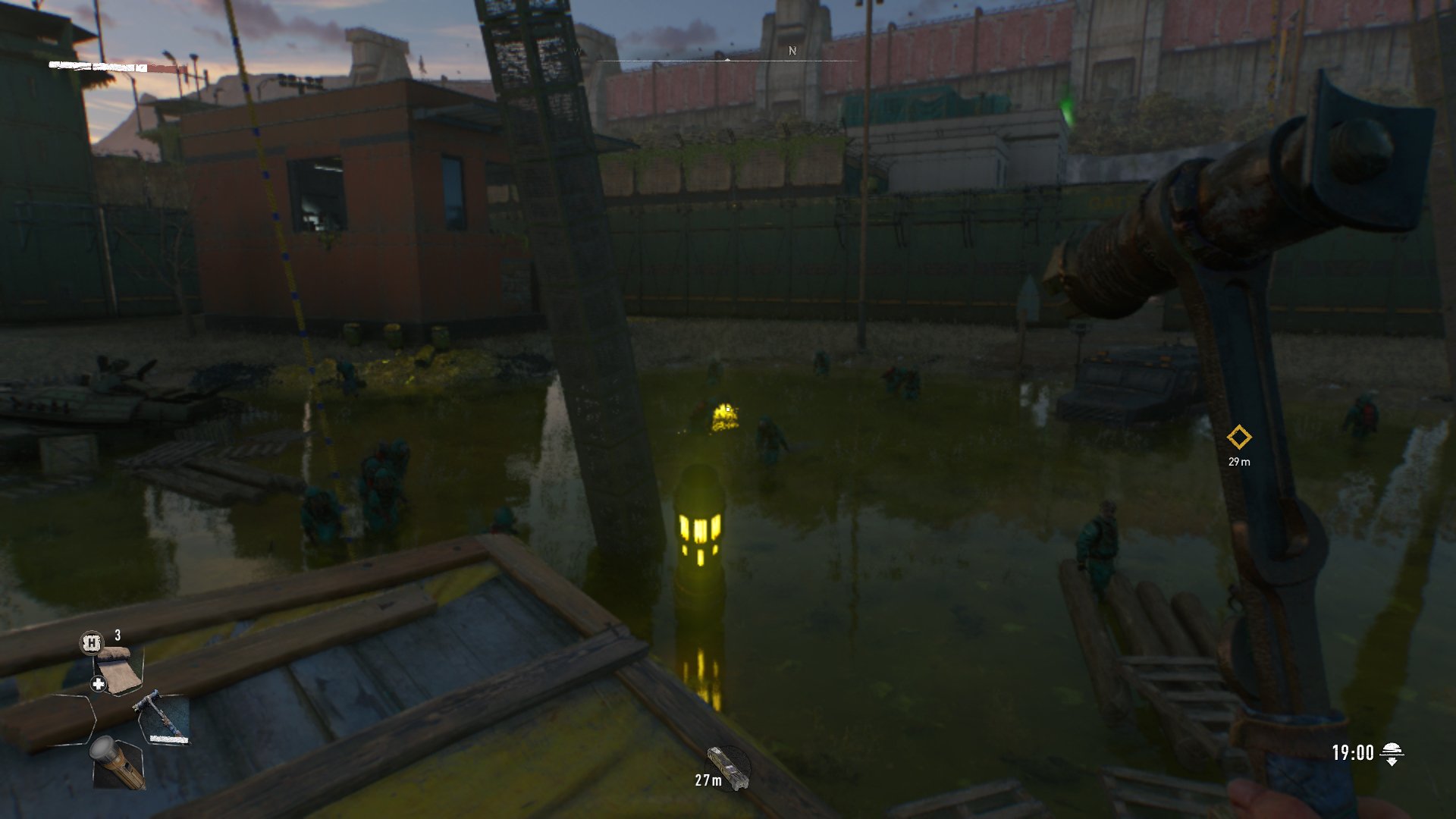
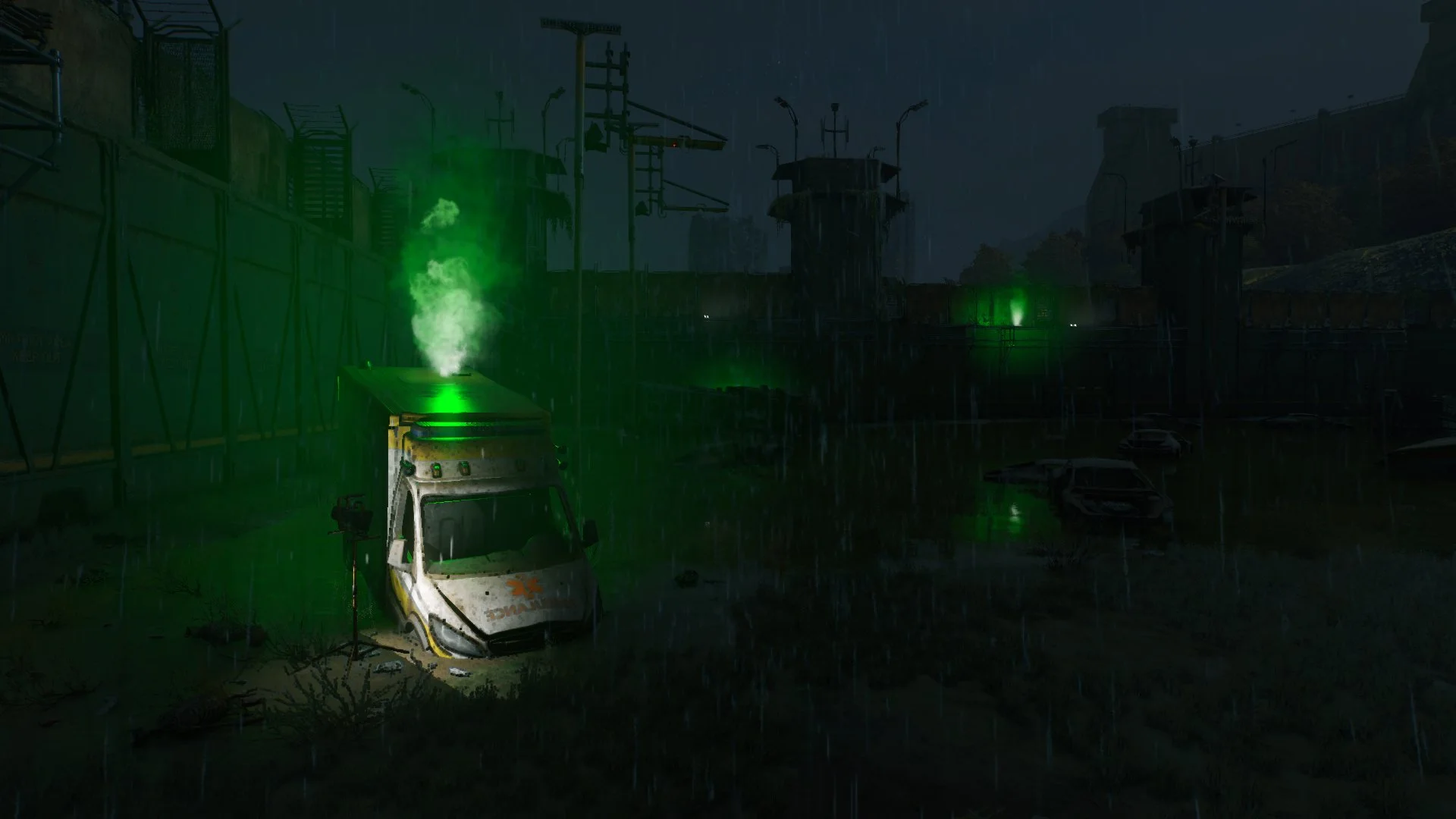
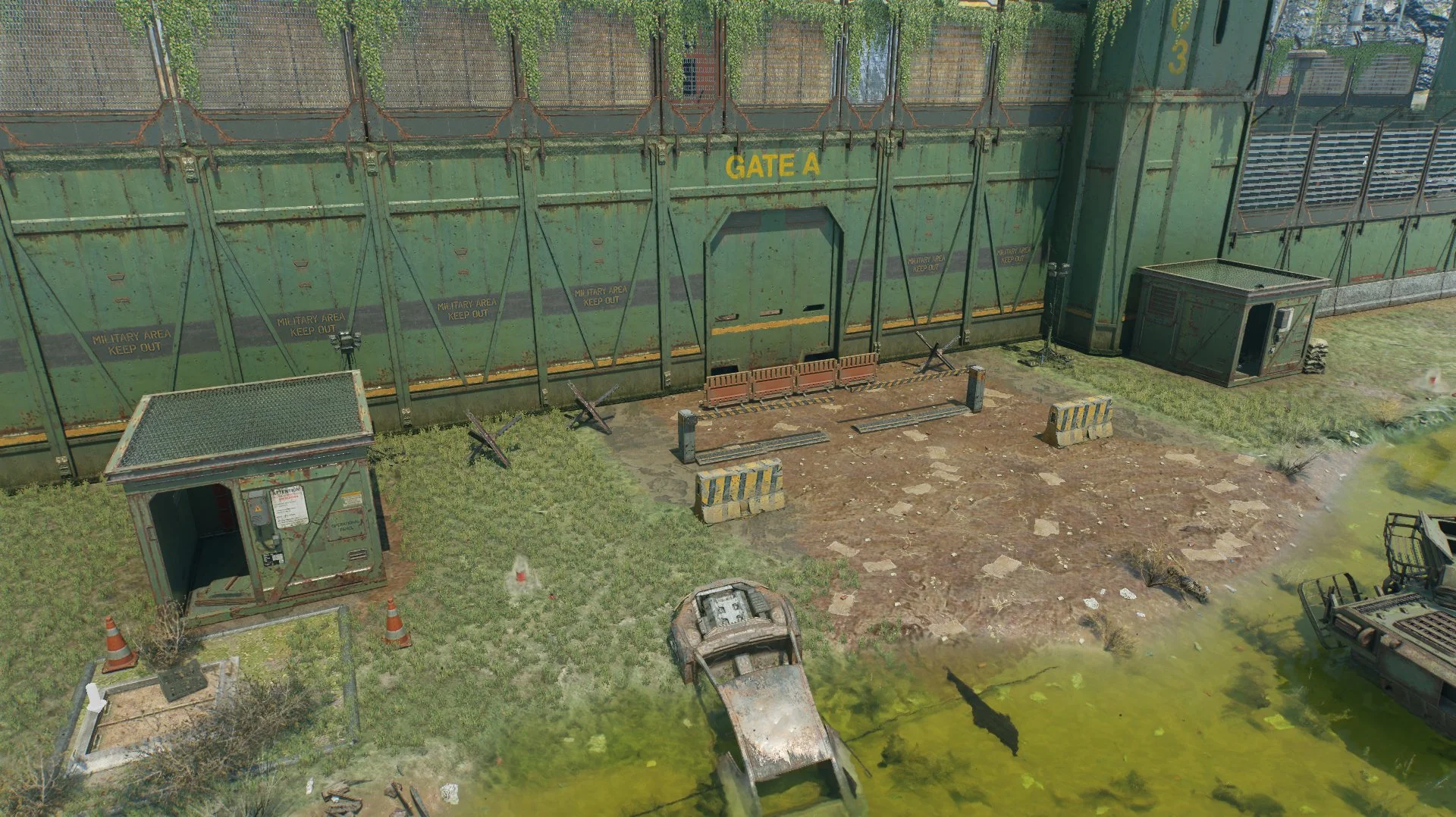
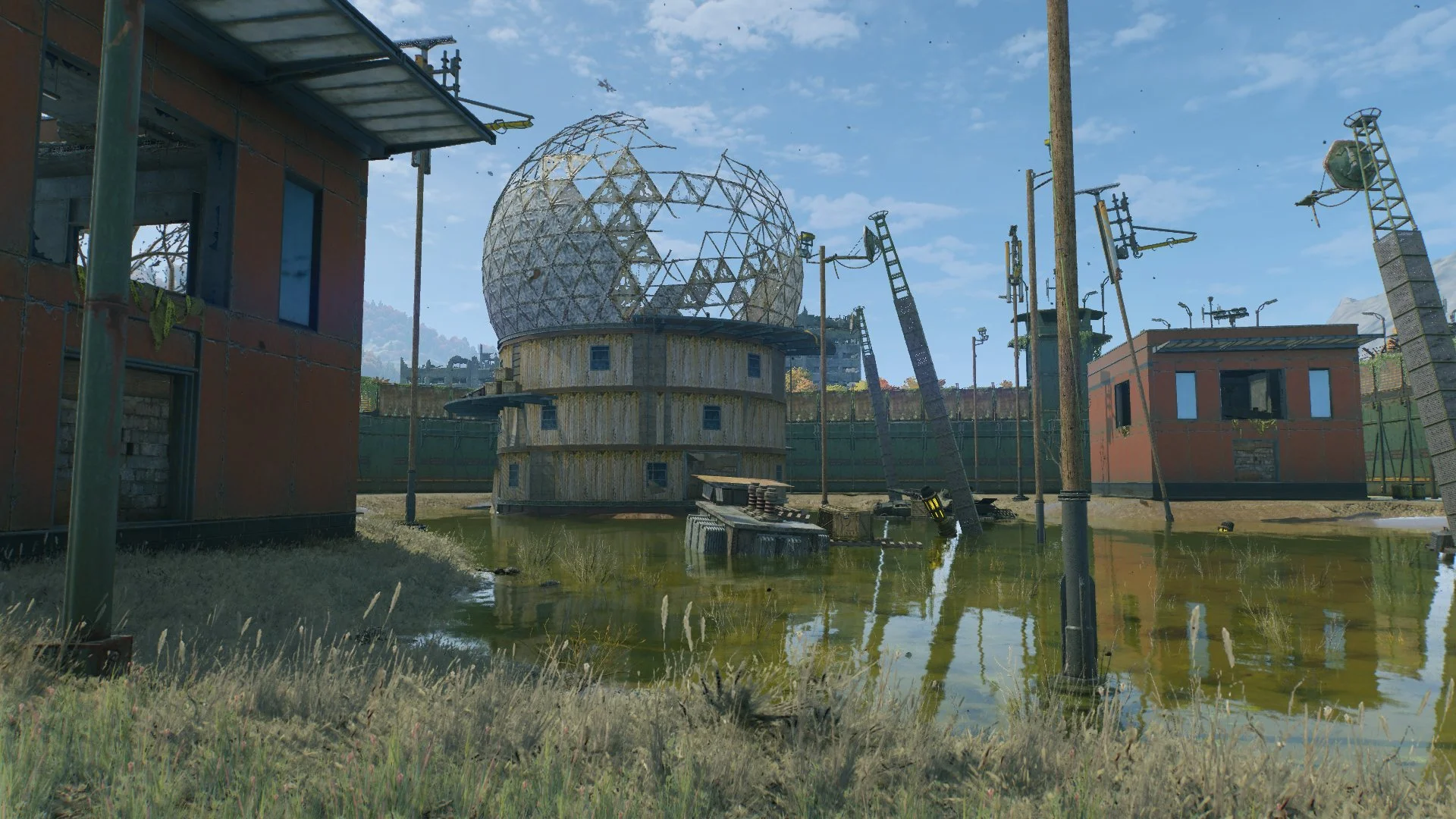
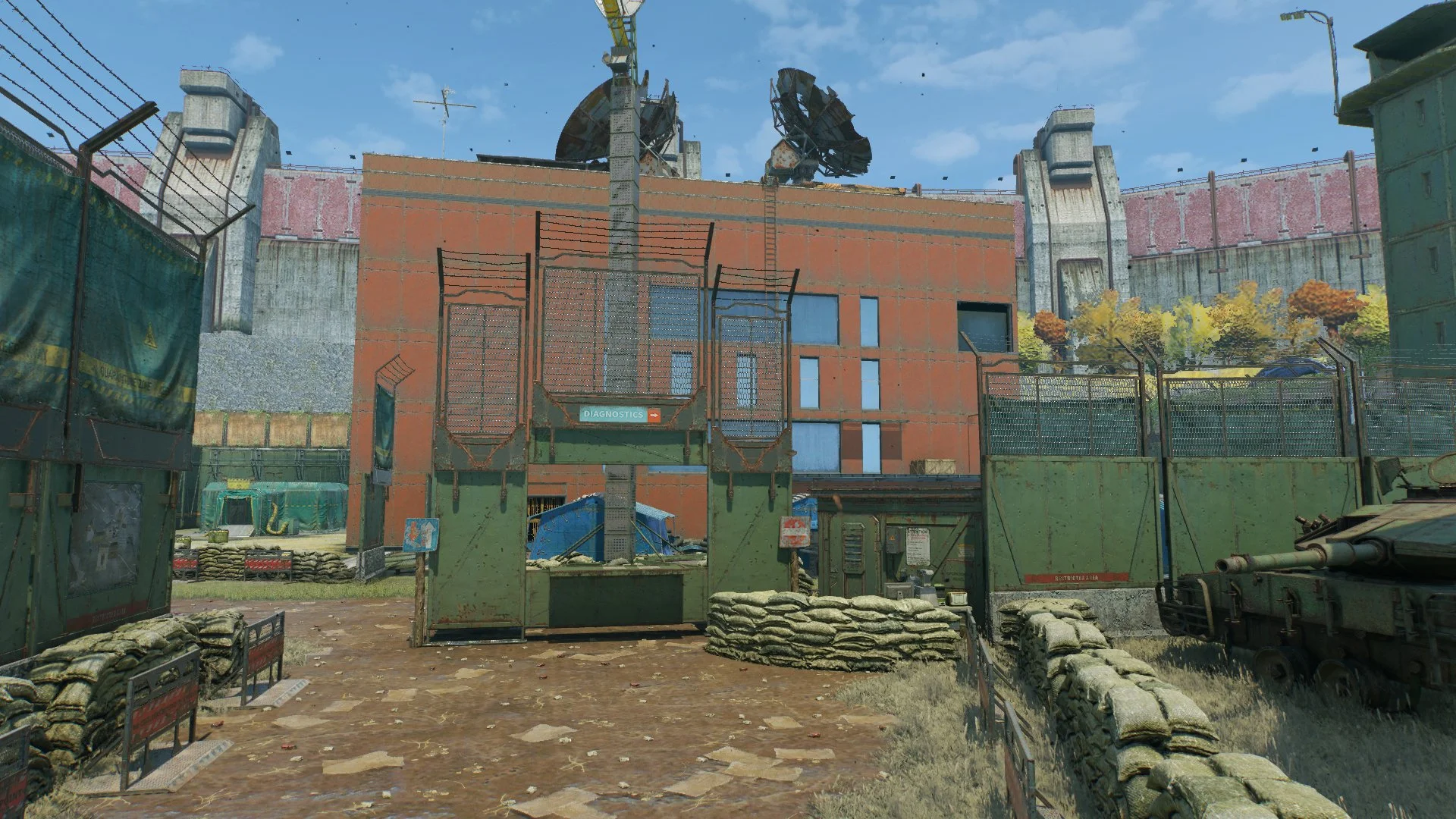
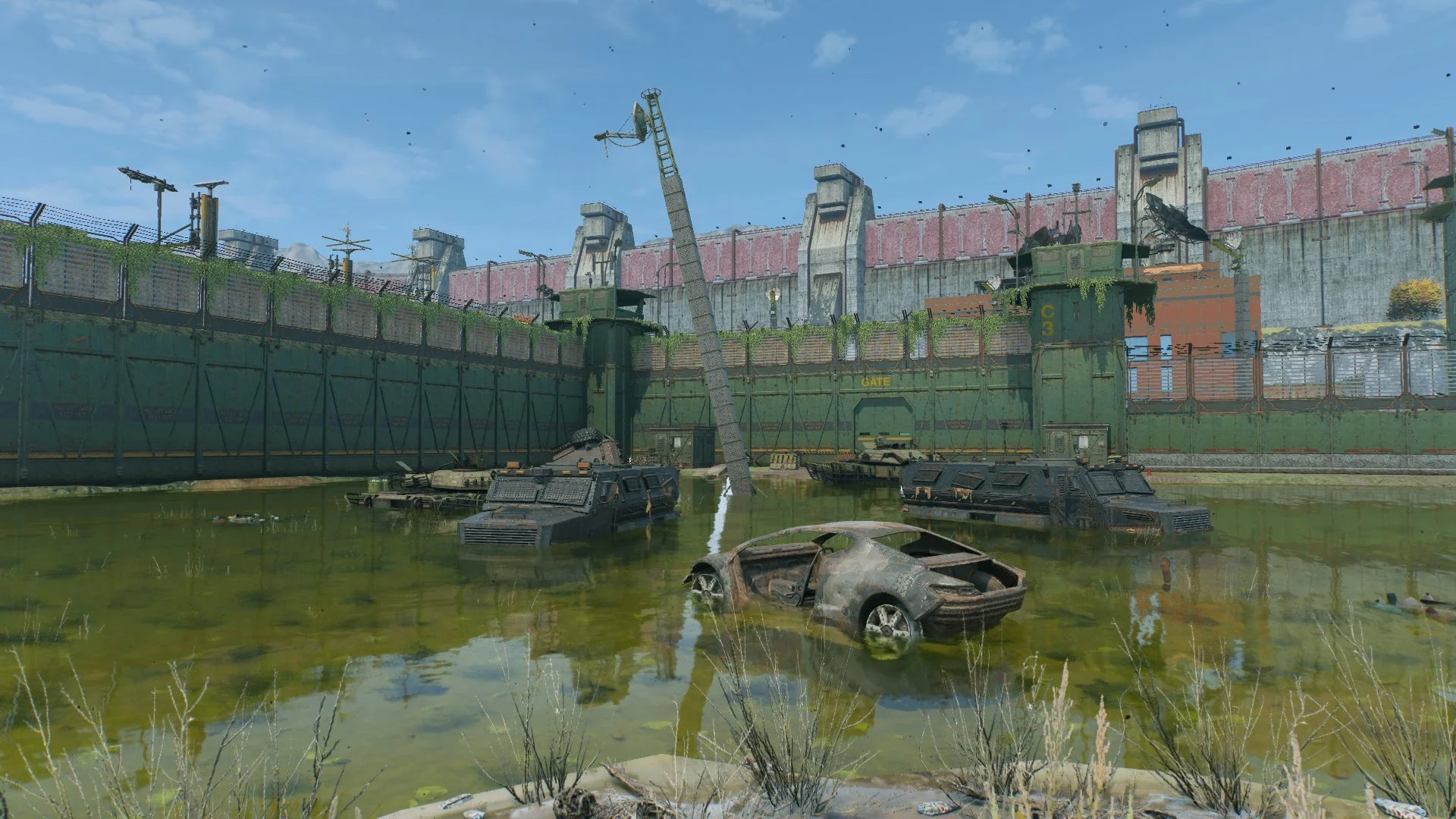
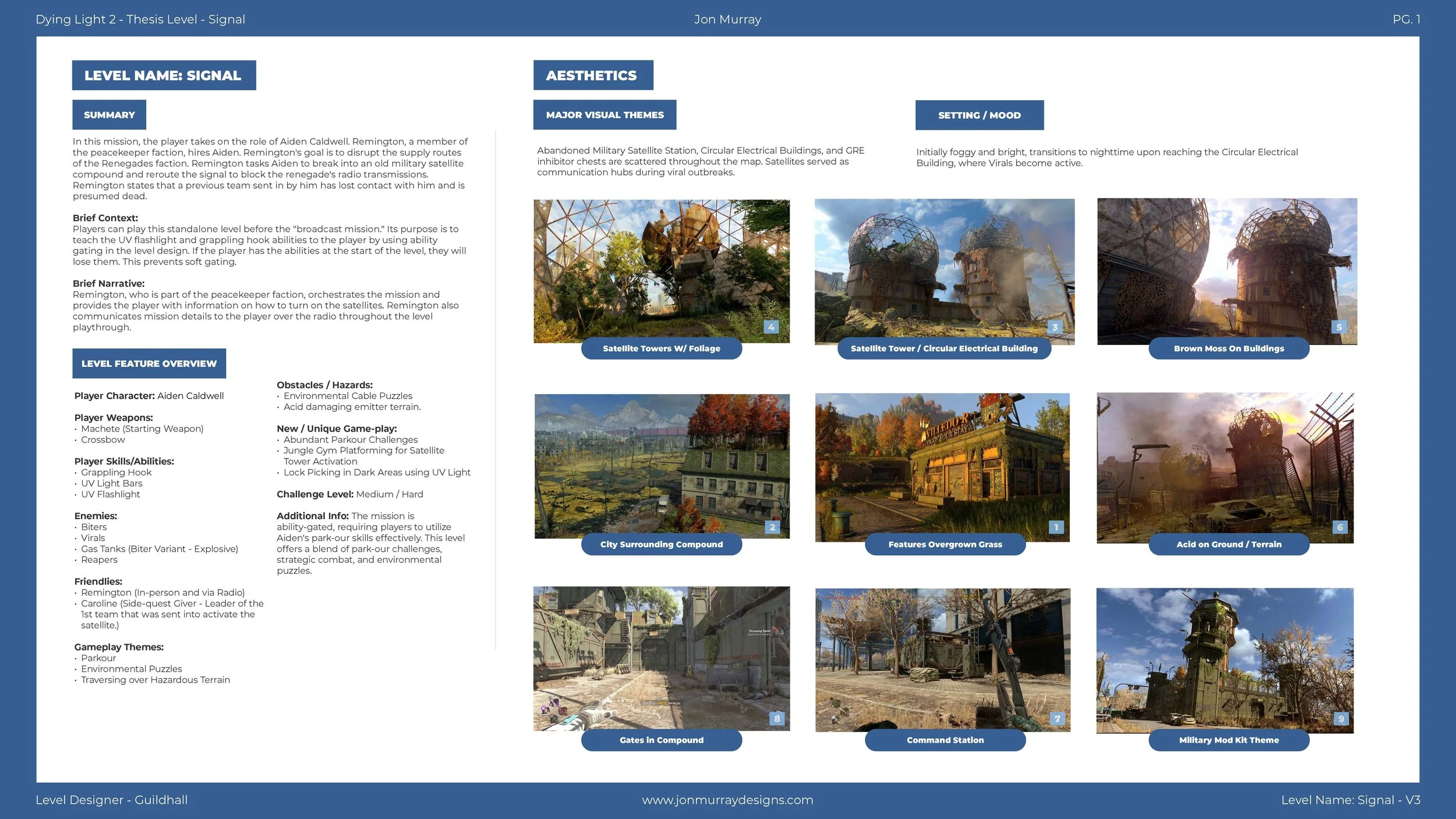
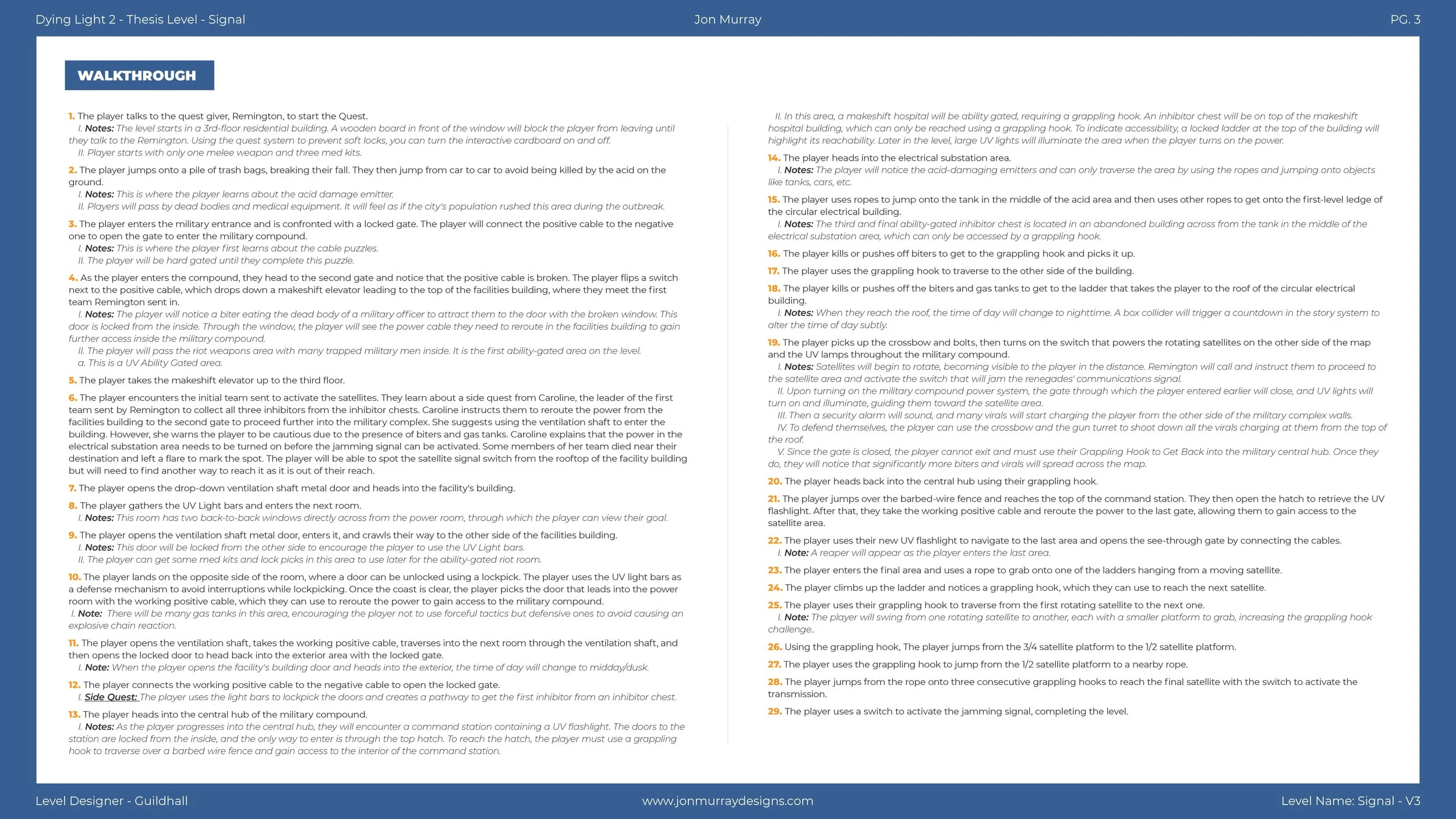
In Signal, players must break into an abandoned military compound, restore power to a communications tower, rescue people along the way, and then reset the satellite relay to disrupt enemy communications.
Along the way, players need to bypass gates to unlock new hubs, and rescue characters who offer optional quests.
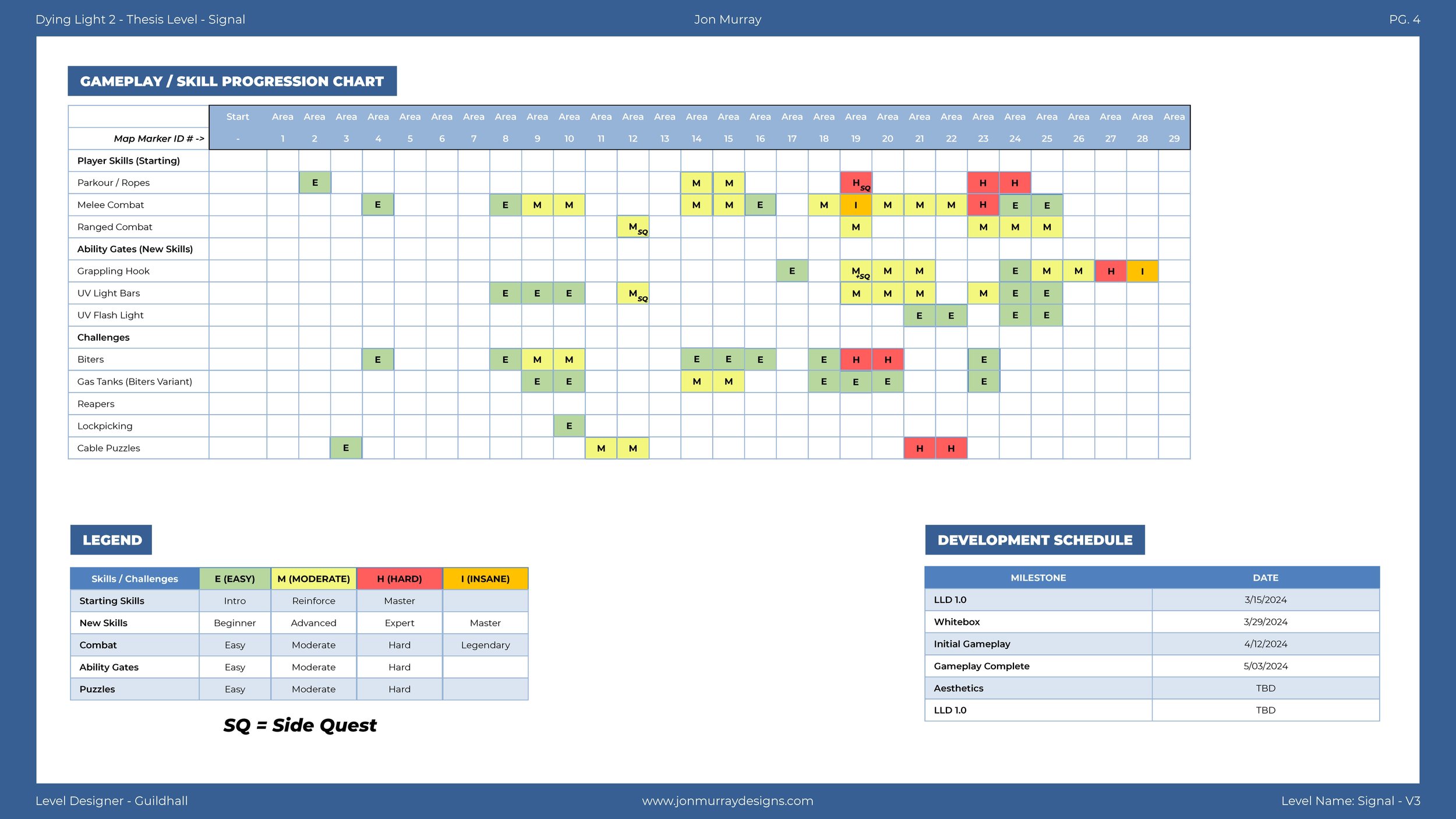
The level becomes progressively more challenging to maintain player engagement.
Thesis Artifact Goal
Gating is a common design technique used to control the pace at which players progress through areas in a game. Re-traversal refers to players returning to areas they have previously visited. This thesis examines the key components of effective gating techniques that increase player engagement in these revisited areas. It forms best practices, which are applied and tested in a custom level for Dying Light 2, called “Signal.” Data gathered from the playtesting sessions of this artifact provides valuable insights into effective gating techniques that increase player engagement in previously visited spaces.
Thesis Level Design Goals

INTEGRATE GATING TECHNIQUES
Using various hard and and soft gates through abilites, items, encounters to control the players progress through the level.

DRIVE
RE-TRAVERSAL
Created Gate and Key relations to drive re-traversal to various hubs, creating relationships between the gameplay spaces.

MEASURE ENGAGEMENT
Measured engagement through optional variables, quests and rewards. Recorded playtest data, as well as a post playtest survery to measure success.
BEST PRACTICES
From my research into the commonalities of successful games that implemented re-traversal and gating techniques in their design, I concluded the following.
-
Early: Helps players focus on specific goals without feeling overwhelmed.
Often: Consistently test players' mastery of game mechanics. Knowledge is piecemealed, piece by piece, at a time.
Various Ways: Doesn’t come across as formulaic. Different challenges make gameplay more engaging for players.
-
Introduce Optional Quest through Main Quest: Make it mandatory for players to engage with characters that encourage them to do additional optional quests.
Encourage Players to Explore Previous Areas: Incentivize players to revisit past areas to explore using hub and spoke level design.
Require Player to Return for Rewards: Reward the player only after coming back to the side quest giver.
-
Demanding Hard Gate Scenario: Immediately put players in a demanding hard gate scenario where they need to use new Items/abilities to overcome that gate.
Increase Traversal Challenges: Ensuring they know how to use it by testing their mastery later by increasing the challenge.
Aligning Challenges to Players' Upgrades: Consistently increase the enemy's strength to align with the player's upgrades and new abilities.
Note: To see how I developed my best practices, please refer to the research in my thesis presentation and the thesis defense video in the additional materials below.
GATES IMPLEMENTATION
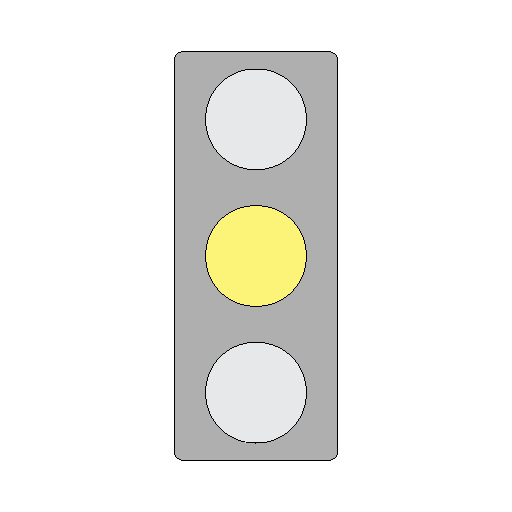
SOFT GATES
Soft Gating is a technique designed to slow down players rather than stop them completely.
It’s like a yellow traffic sign.
It tells them to slow down.
It’s relatively easy to bypass, solve, or complete
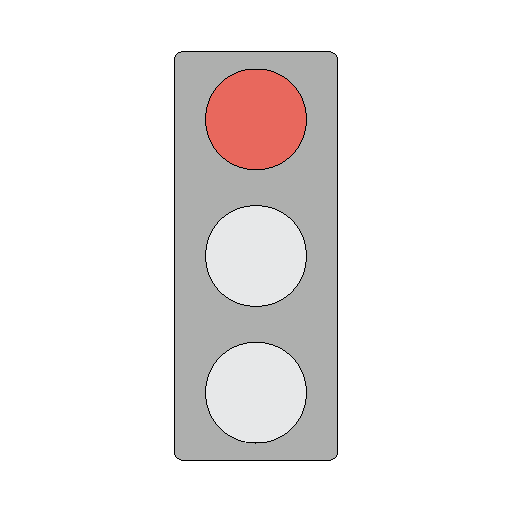
HARD GATES
Hard Gating is a technique designed to slow down players rather than stop them completely.
It’s like a red traffic sign.
It tells them to slow down.
It’s relatively easy to bypass, solve, or complete
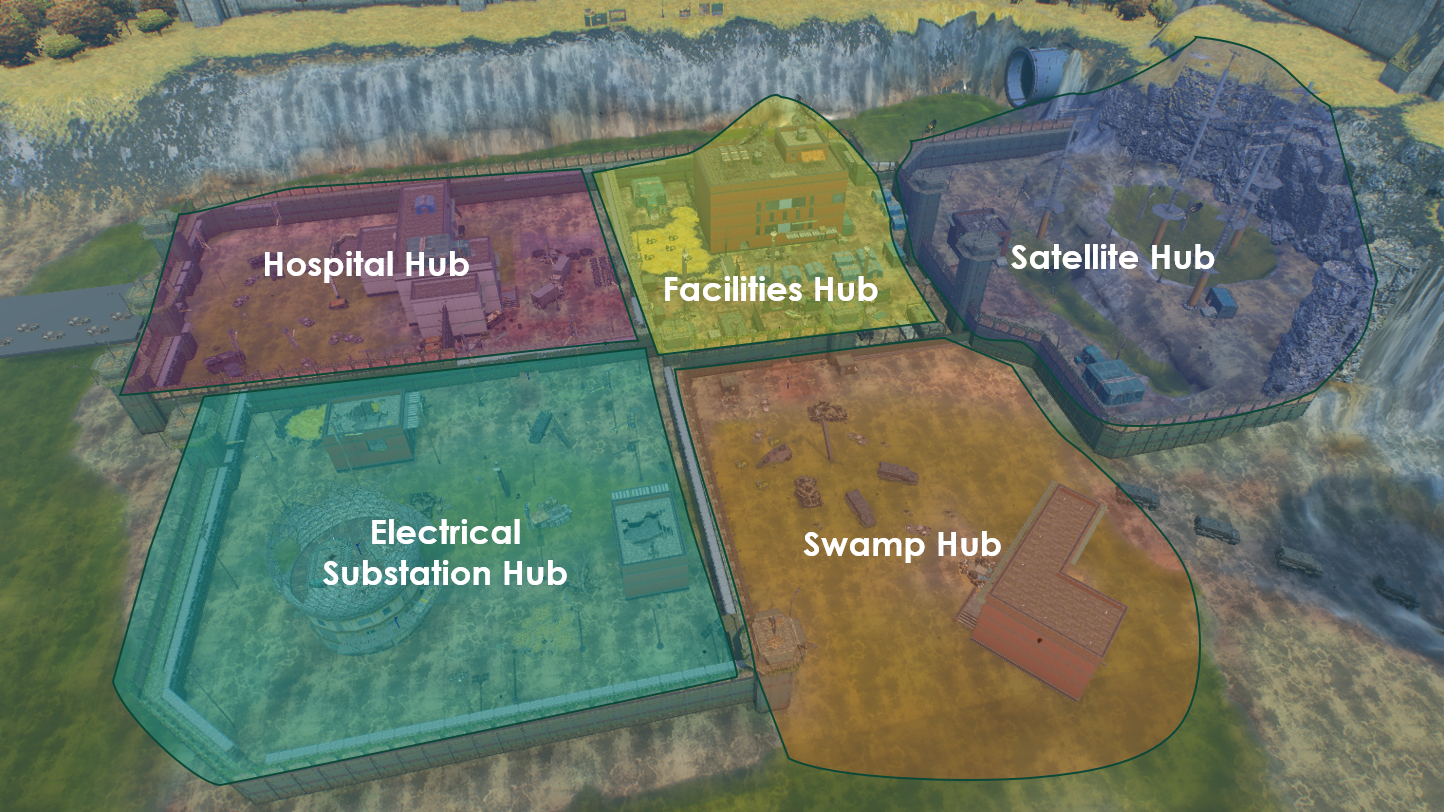
Hubs
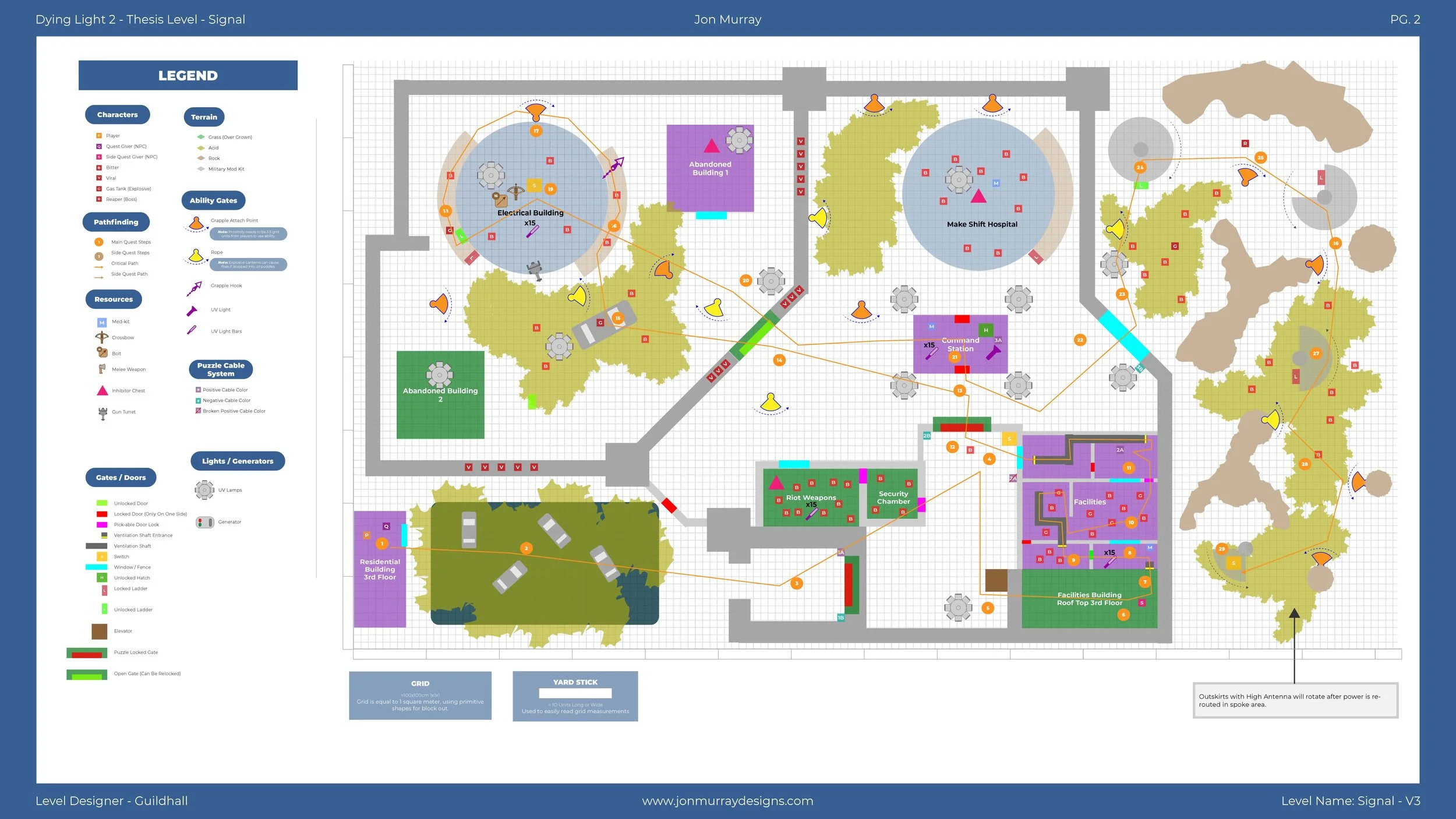
I created 5 Different Major Hubs.
Re-Traversal & Hub Relationships

Central Hubs are the areas the players typically re-traverse the most.
Hubs can be used for level designers to provide areas where they can place levers.
Spokes are passageways that connect a Central Hub to Hubs.
Hubs Images
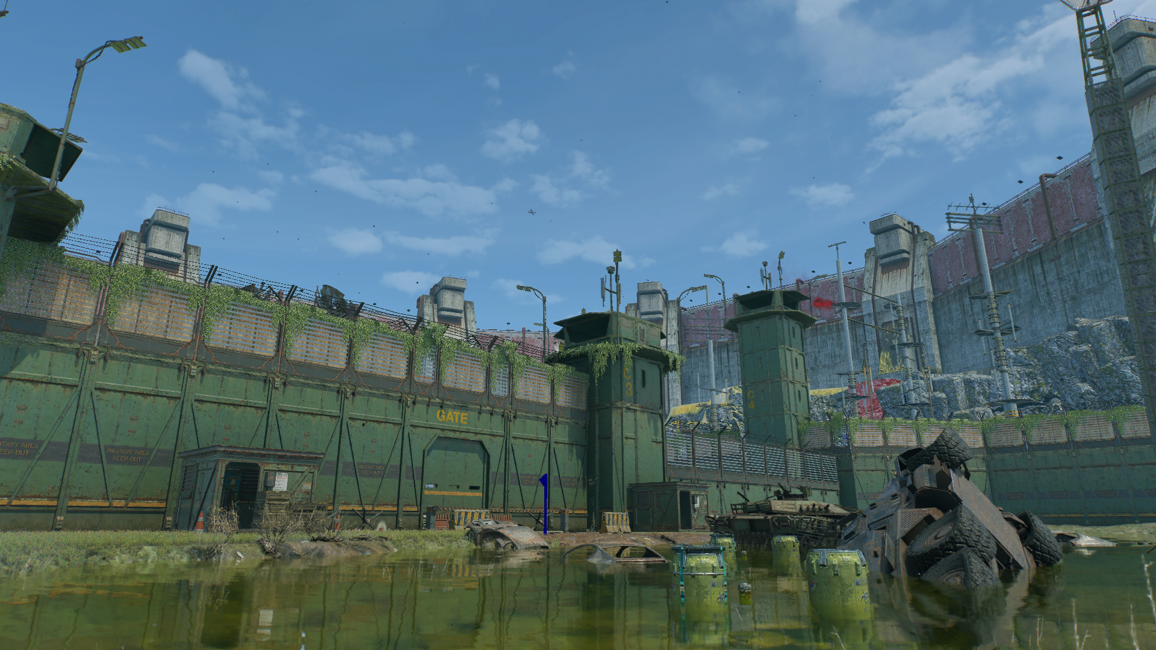
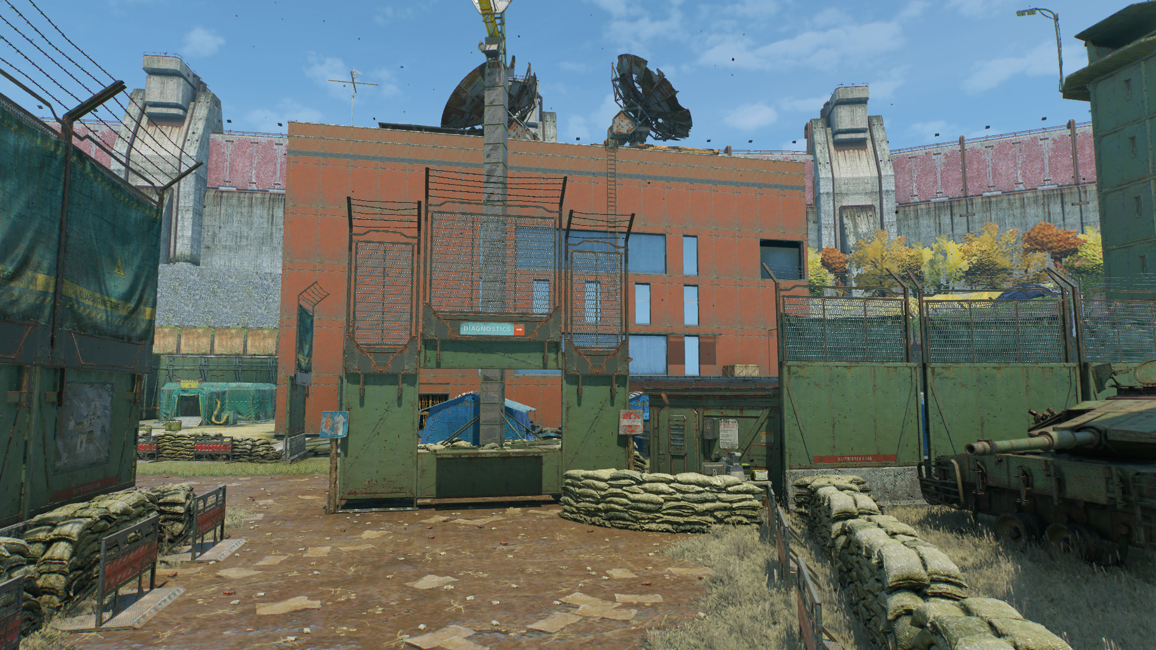
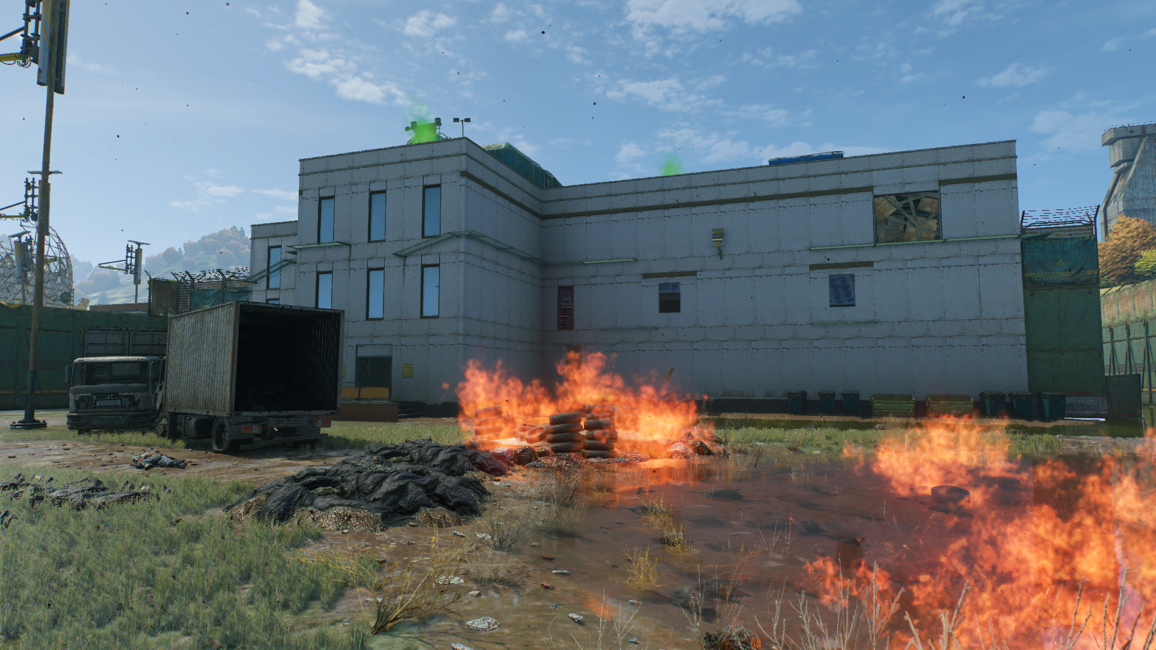
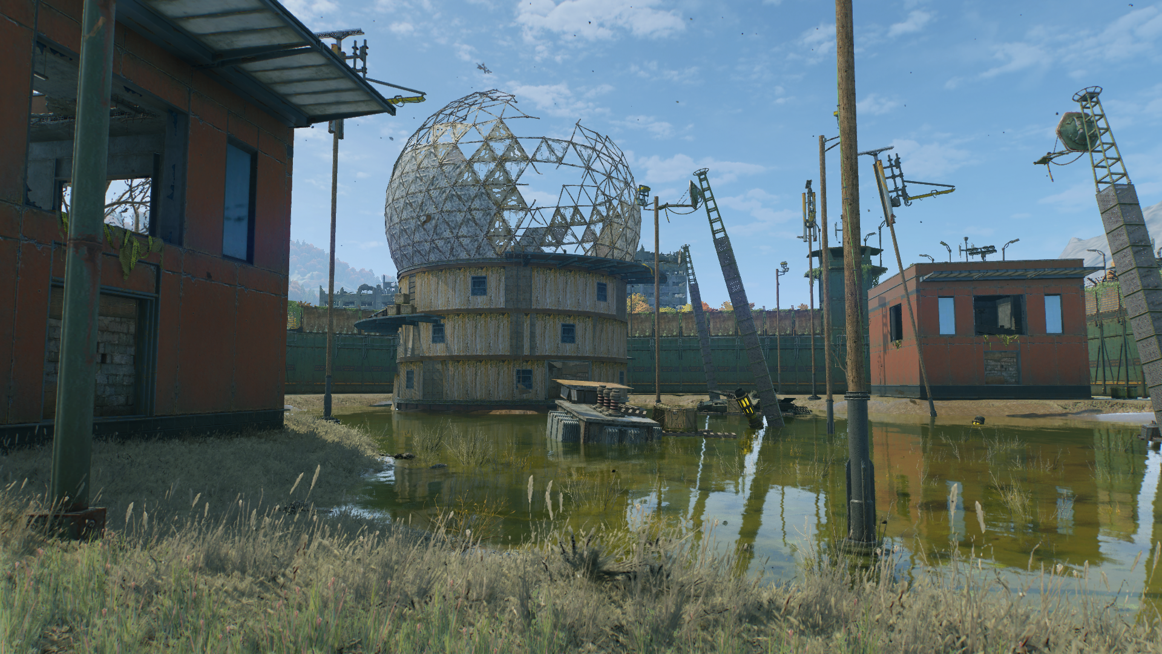
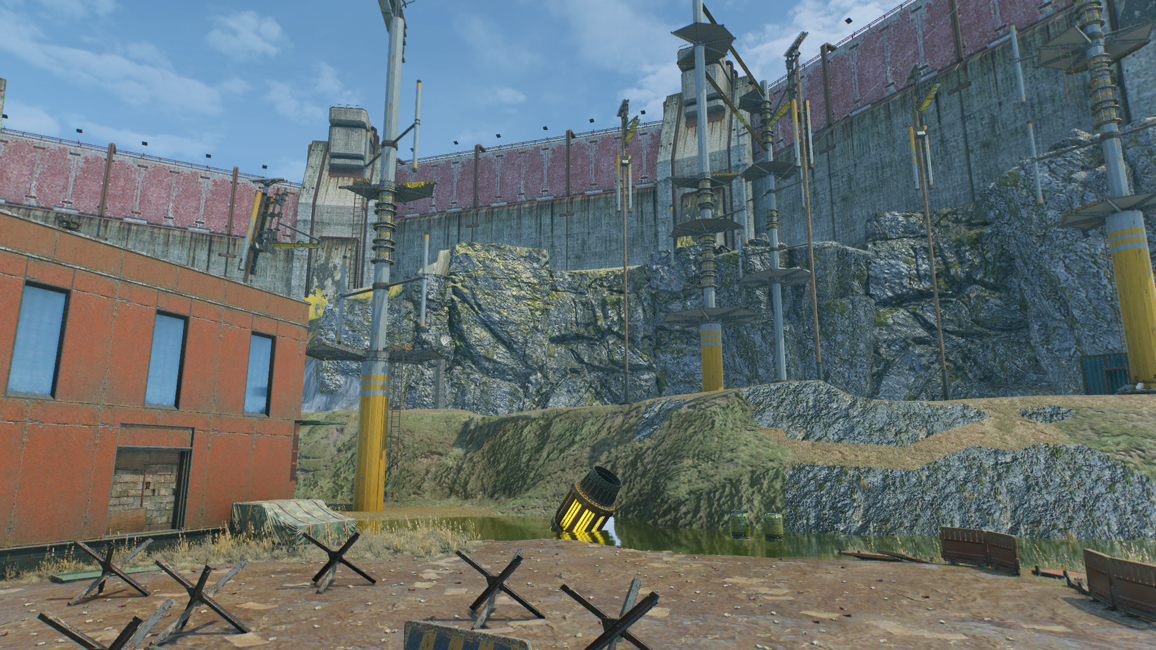
All Hubs
Individual Hub Image Carousel.
Keys
Asdf
Gate and Key Relationships
Asdf
Designed around Re-Traversal and Engagement
Re-Traversal Opportunities
Asdf
Engagement Opportunities
Asdf
Sampling Method
-
10 play testers in total; all completed a post-play test survey.
Majority of questions using a Likert scale.
Engagement
Gating
Motivations of Re-traversal
Difficulty in Challenges
Transcribed
Length of Playtime.
# of times players re-traversed to and inside each large hub?
Tracked Variables
How many gatherables were collected
Completion of Optional Quests & Puzzles
-
9 out of 10 play video games daily.
5 out of 10 play FPS (First Person Shooters or Action RPG’s) Weekly
The majority of the rest were monthly.
Half heard of Dying Light 1 or 2 but never played them.
Other Half
4 played Dying Light 1.
Only 1 has played Dying Light 2: Stat Human.
Average Playtest lasted 1 hour and 55 mins
-
In addition to tracking how many times players entered, reentered parts of the hub, and tracking if players picked up optional quest items, or started and completed optional quests.
I Created a Pop Quiz of The Level
Names of Characters in the Level
Order of Abilities / Items Obtained
Order of Large Hub Access
I did this to test the players knowledge of the leve to measure engagement.
Note: Player engagement measurement was multifaceted. It involved me counting how many times players went
POSTMORTEM
What was successful?
-
Description text goes here
-
Description text goes here
-
Description text goes here


Future Research
-
Description text goes here
-
Description text goes here
-
Description text goes here
Conclusions
-
Description text goes here
-
Description text goes here
-
Description text goes here
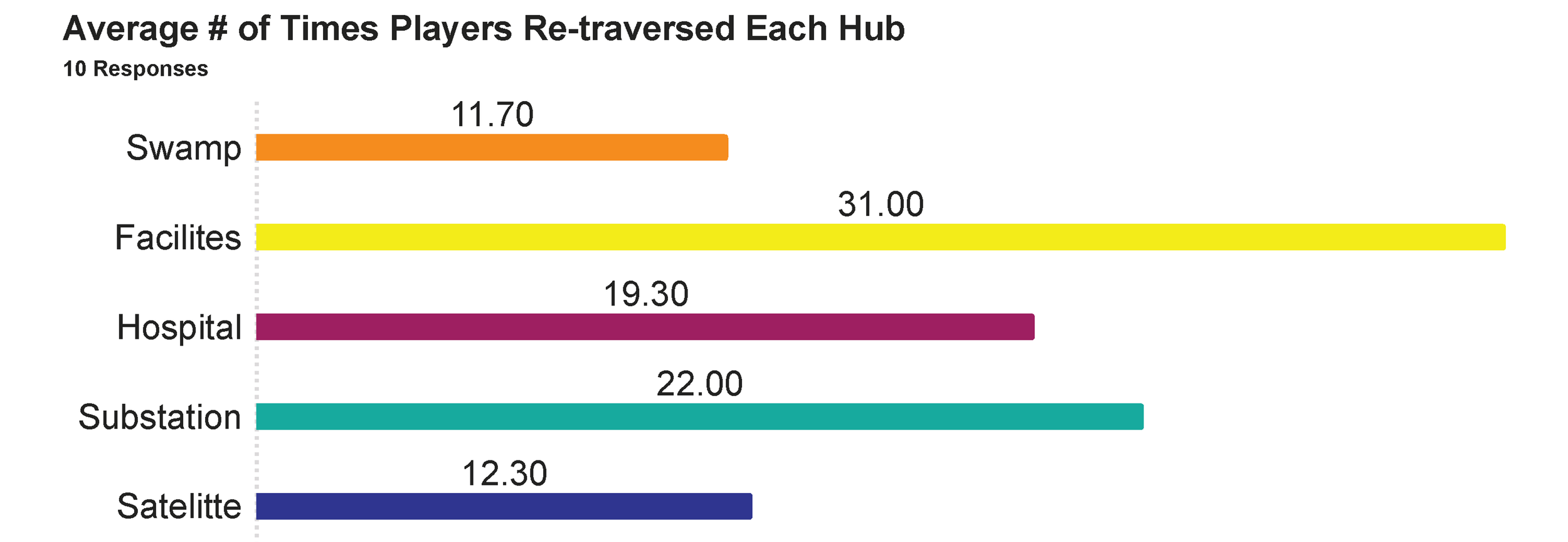
Data Sheet
Playtest Data
Qualitative
I asked these questions below because they would tell me….
Question 1
Question 2
Question 3
Quantitative
I asked these questions below because they would tell me….
Question 1
Question 2
Question 3
Additional Materials
Defense Presentation
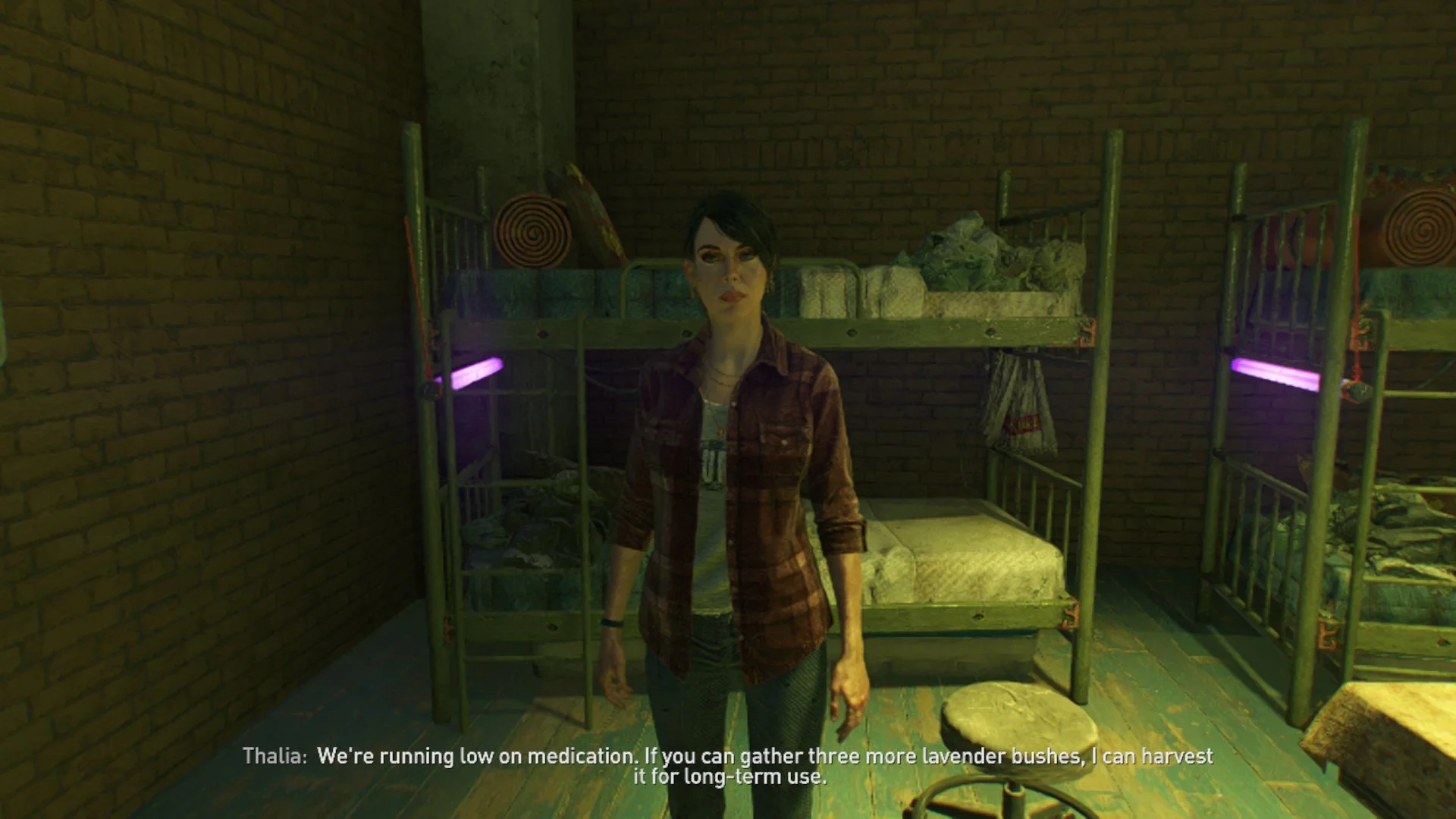
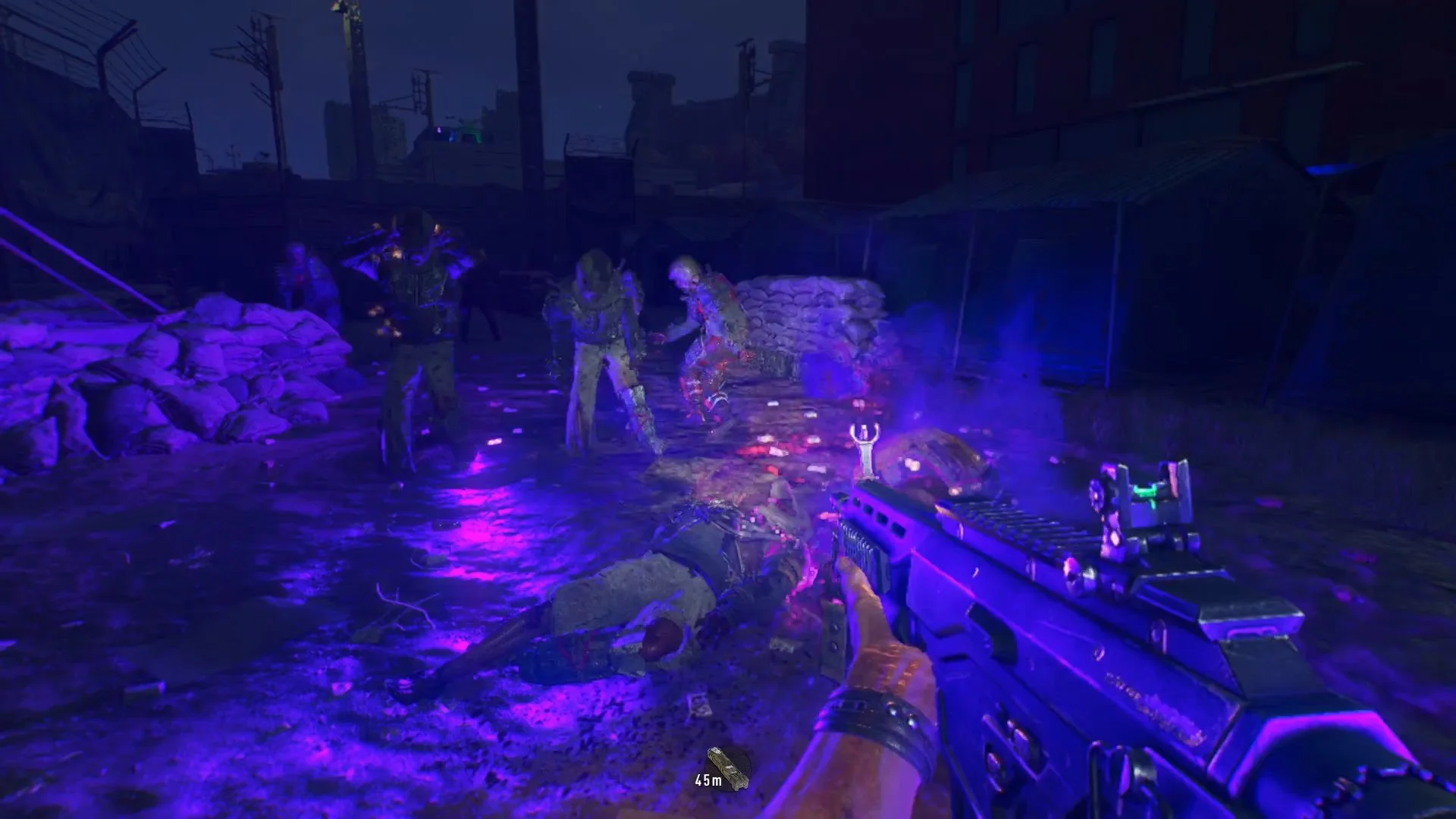
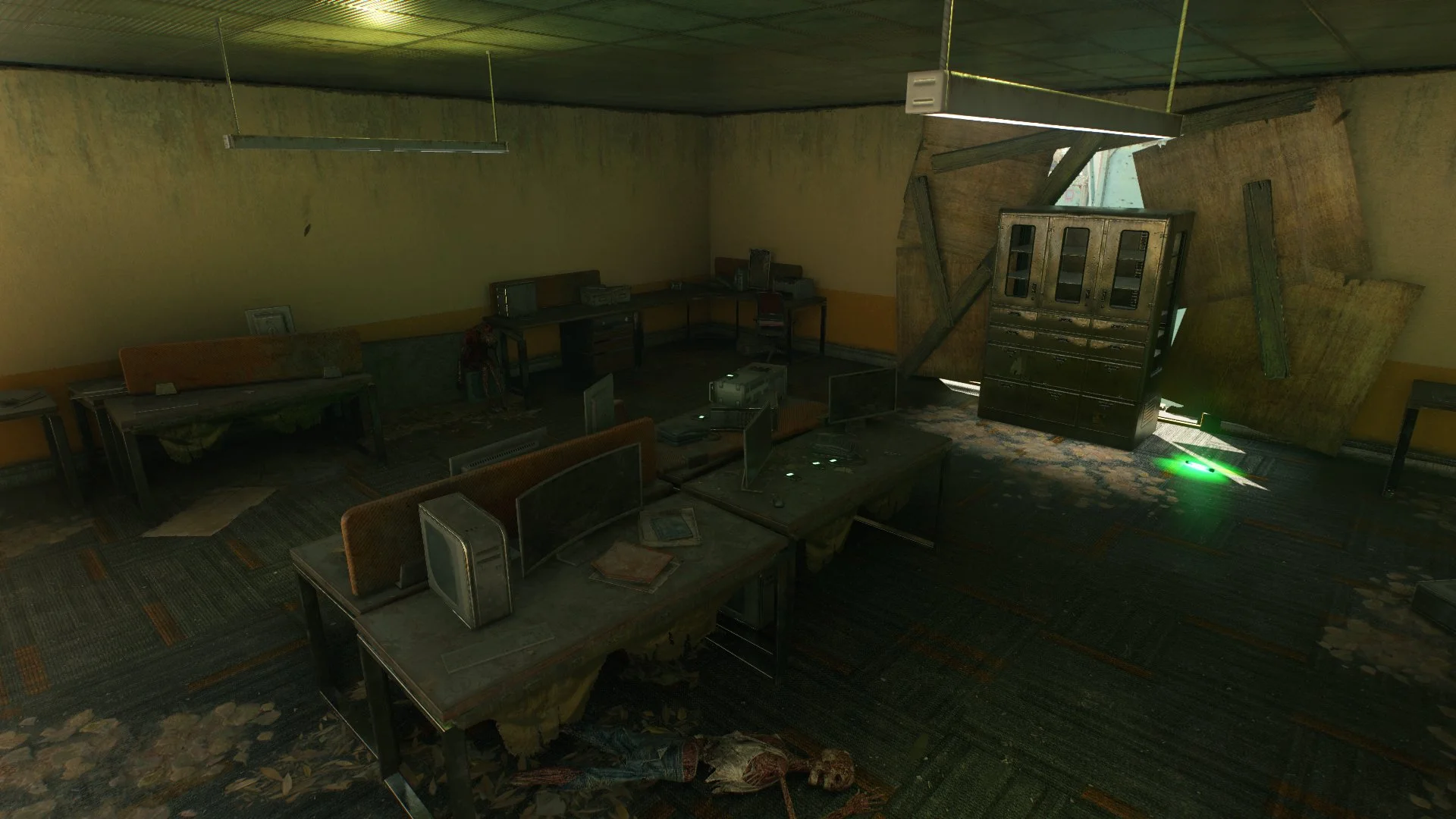
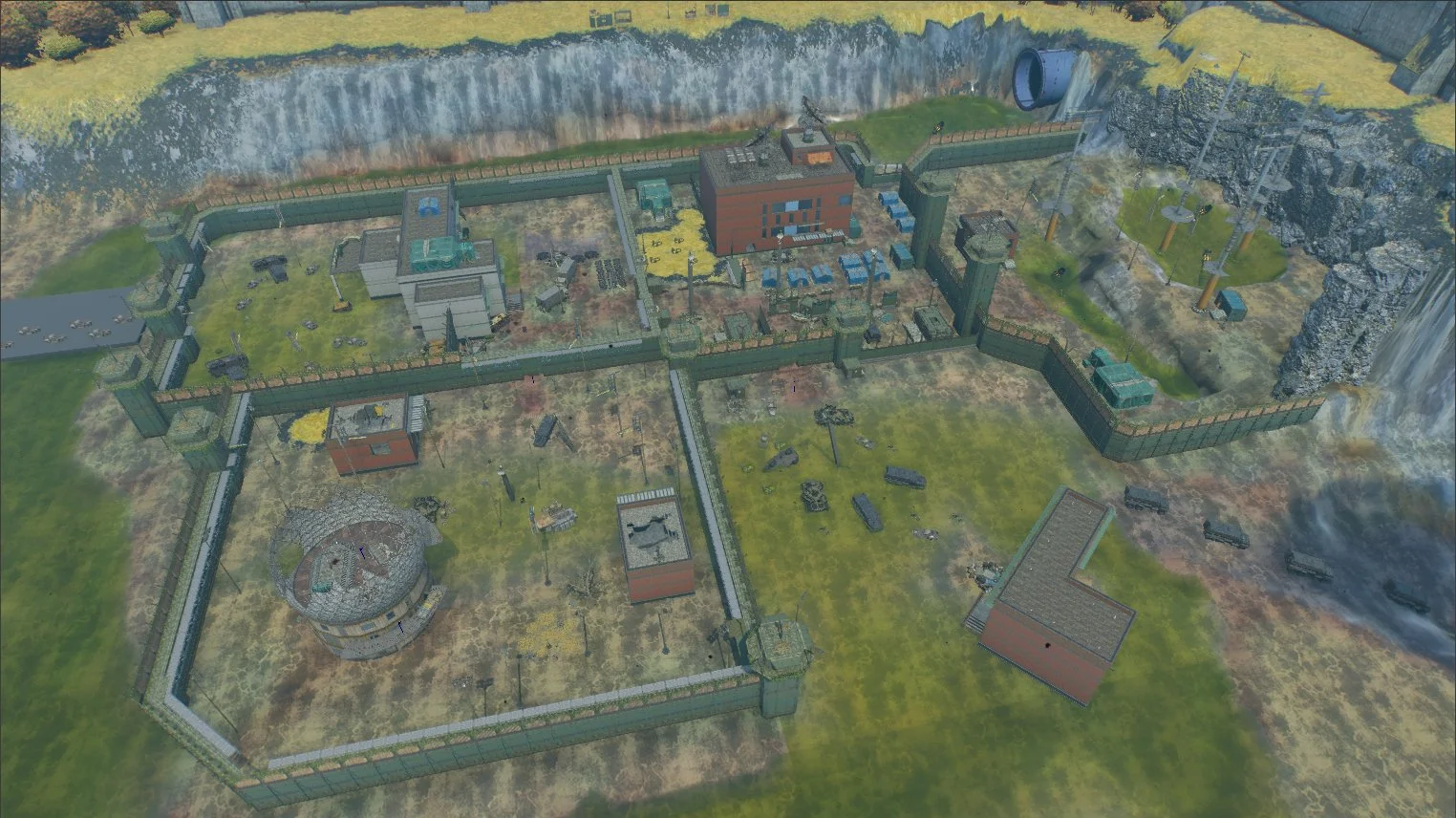
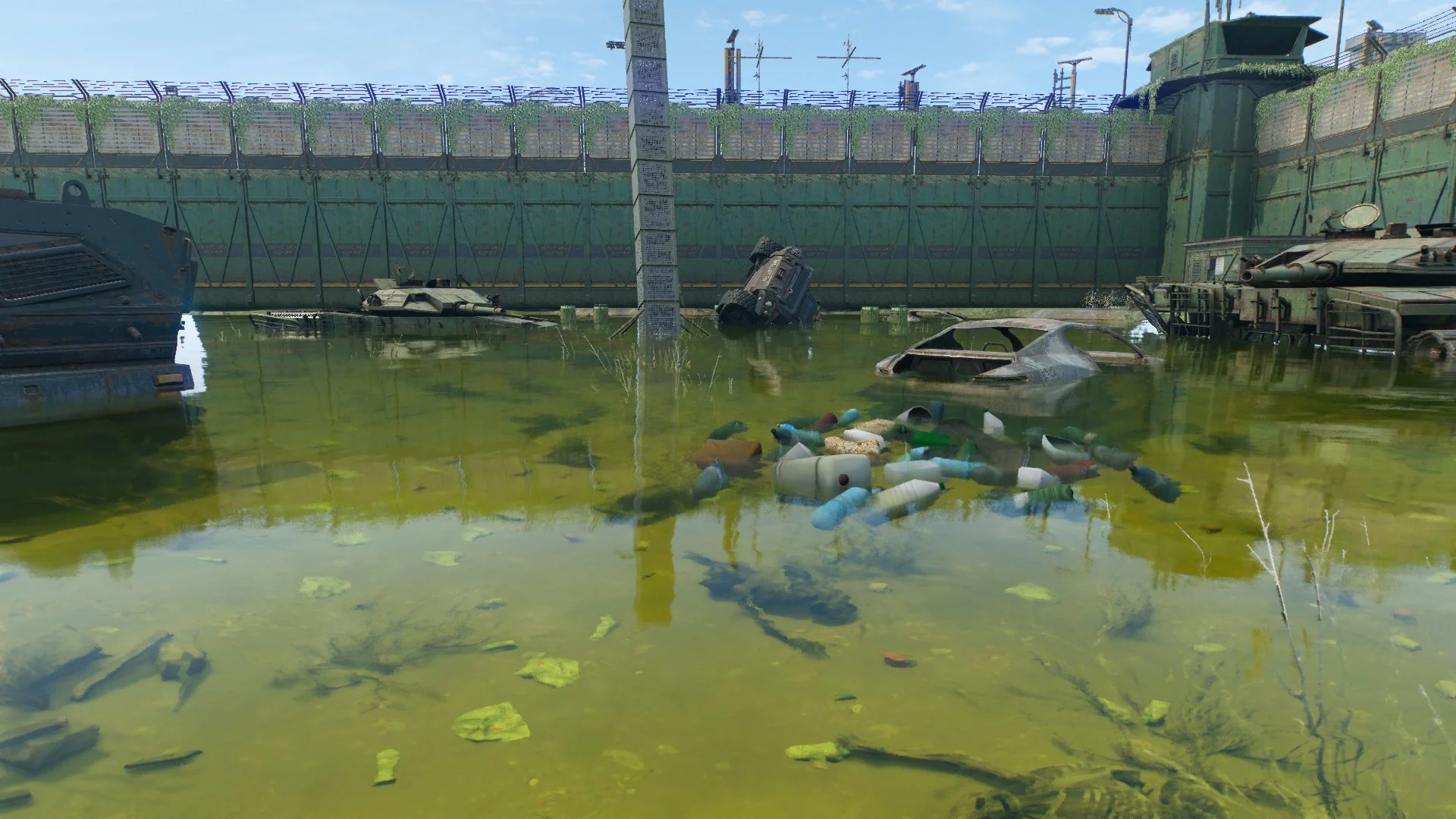
gameplay Gallery
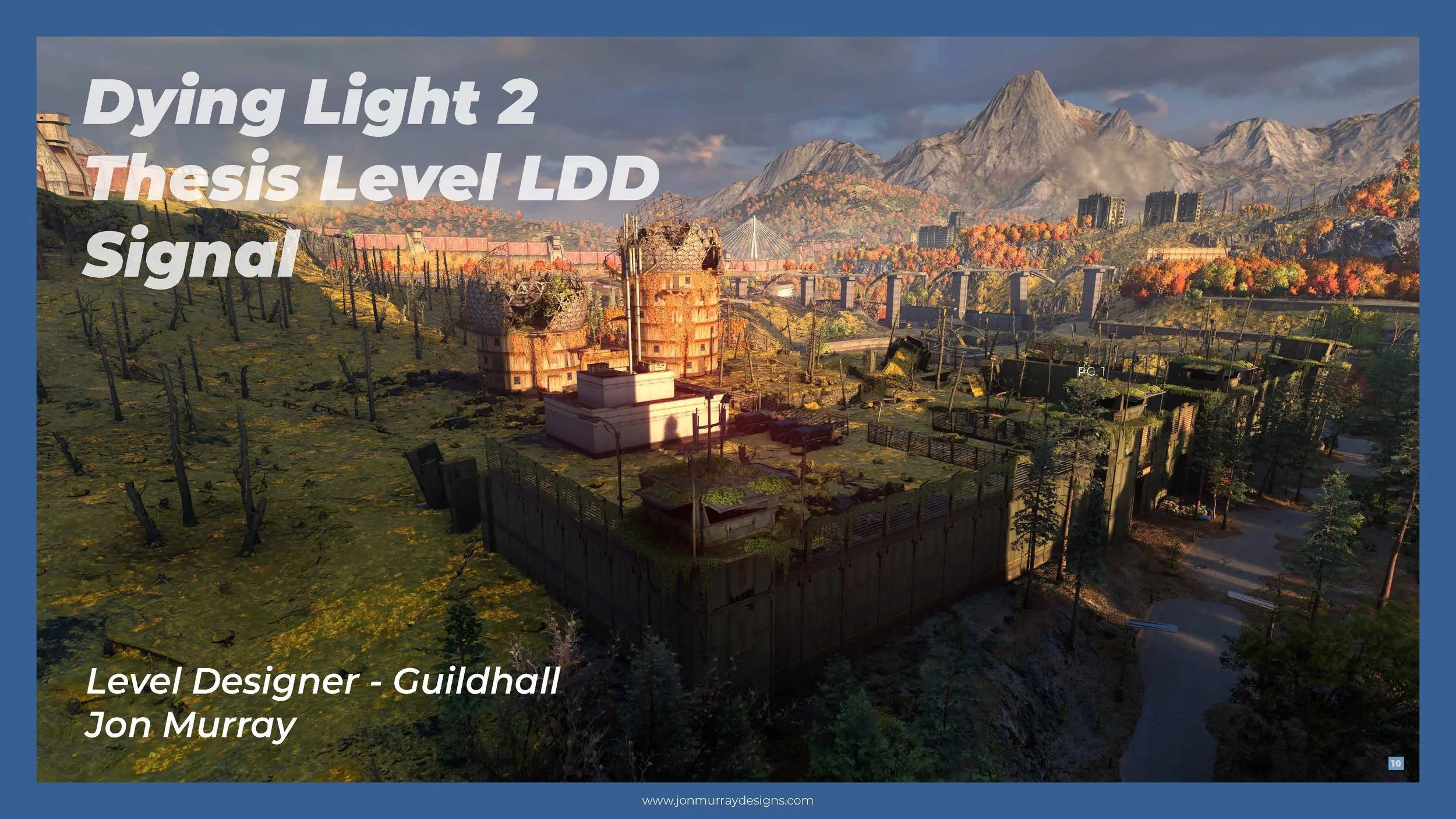
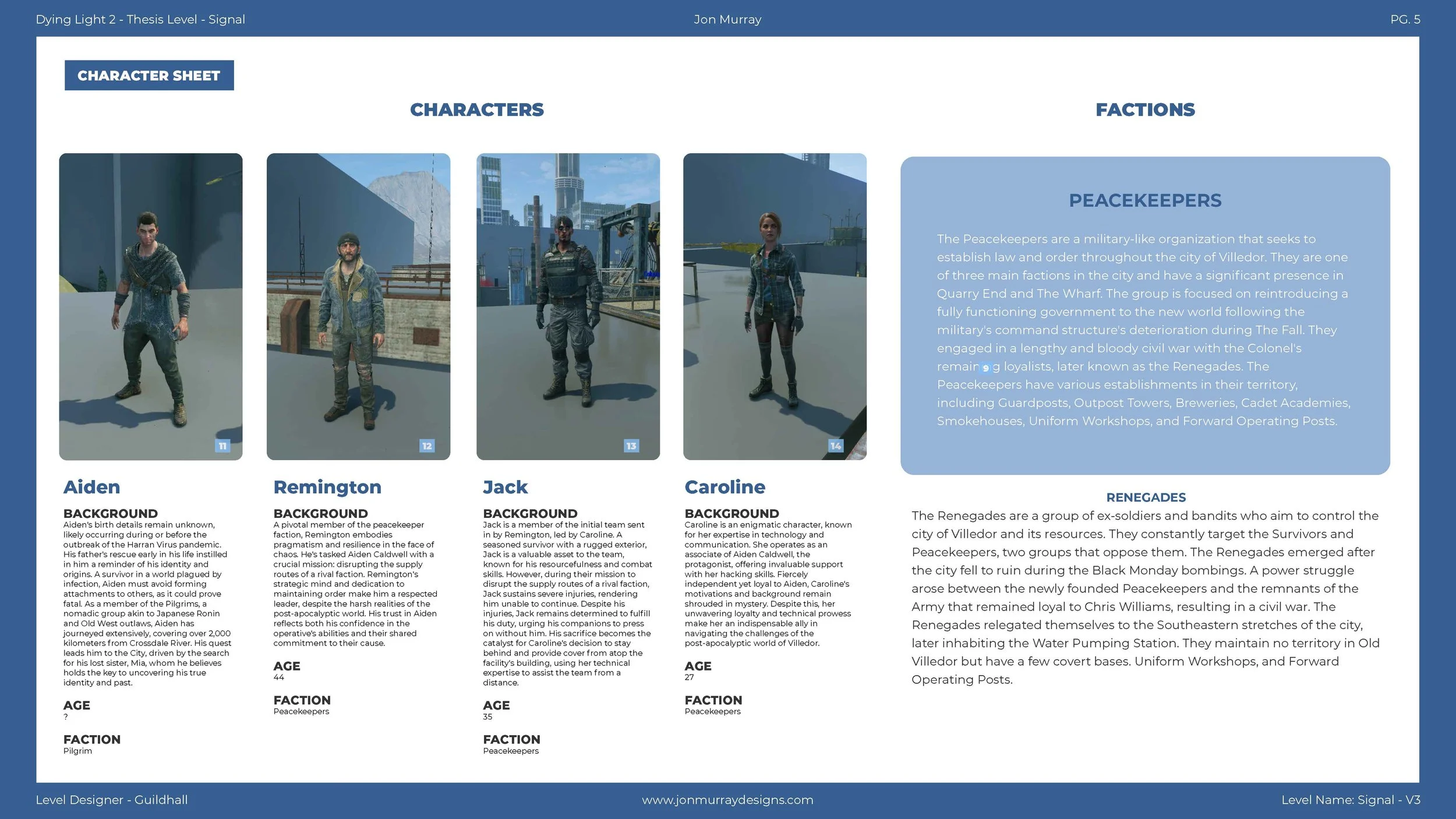
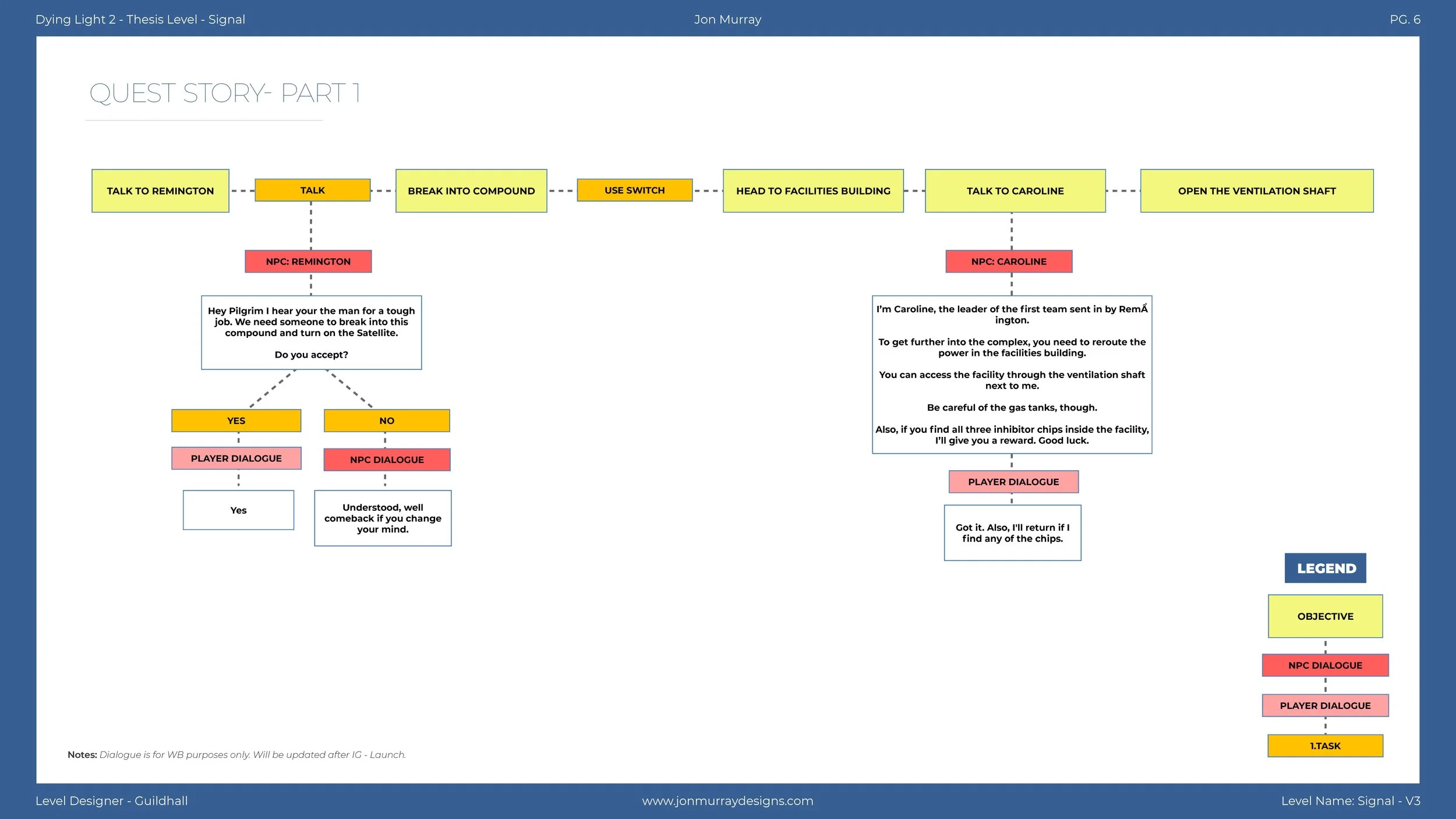
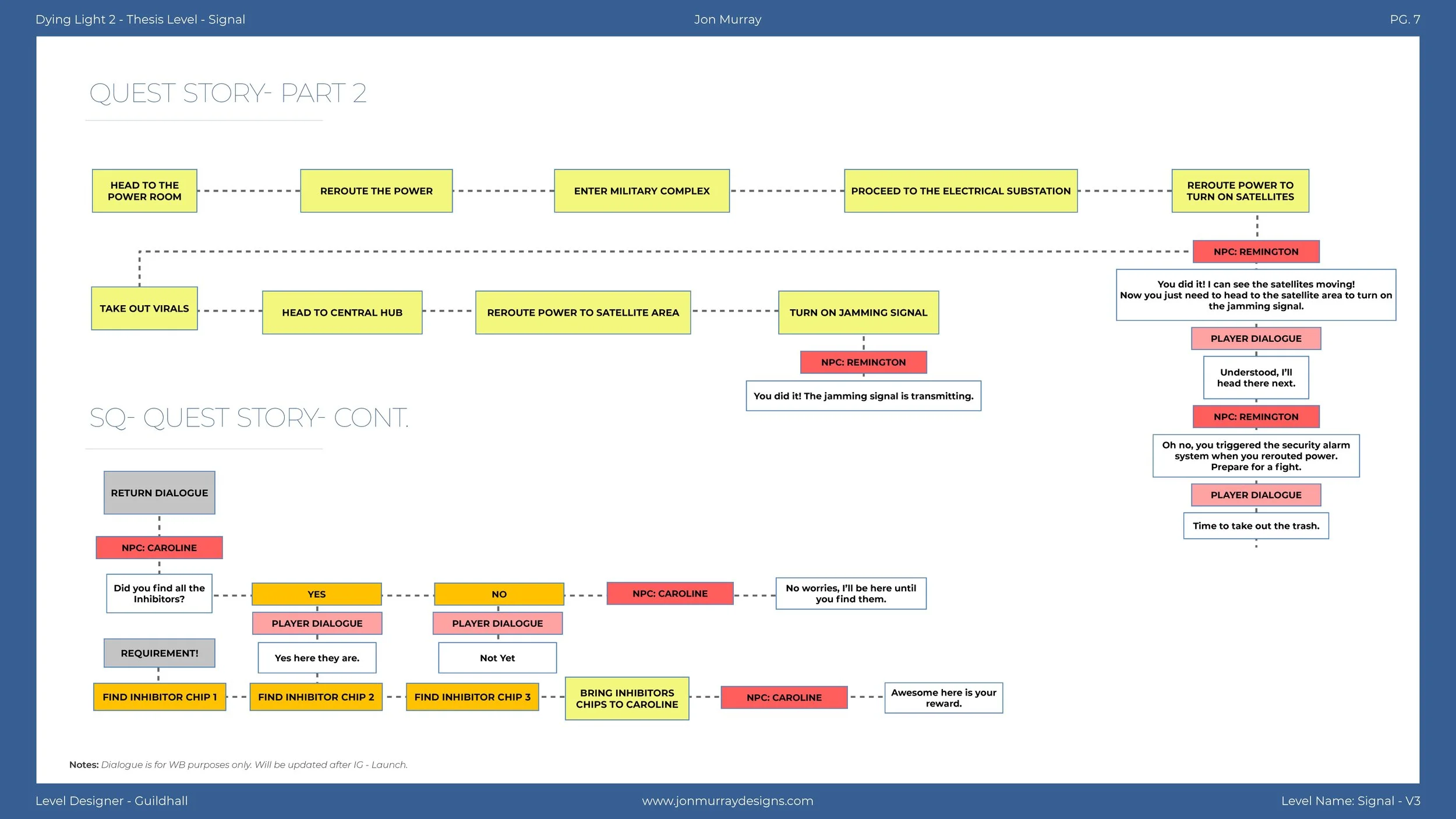
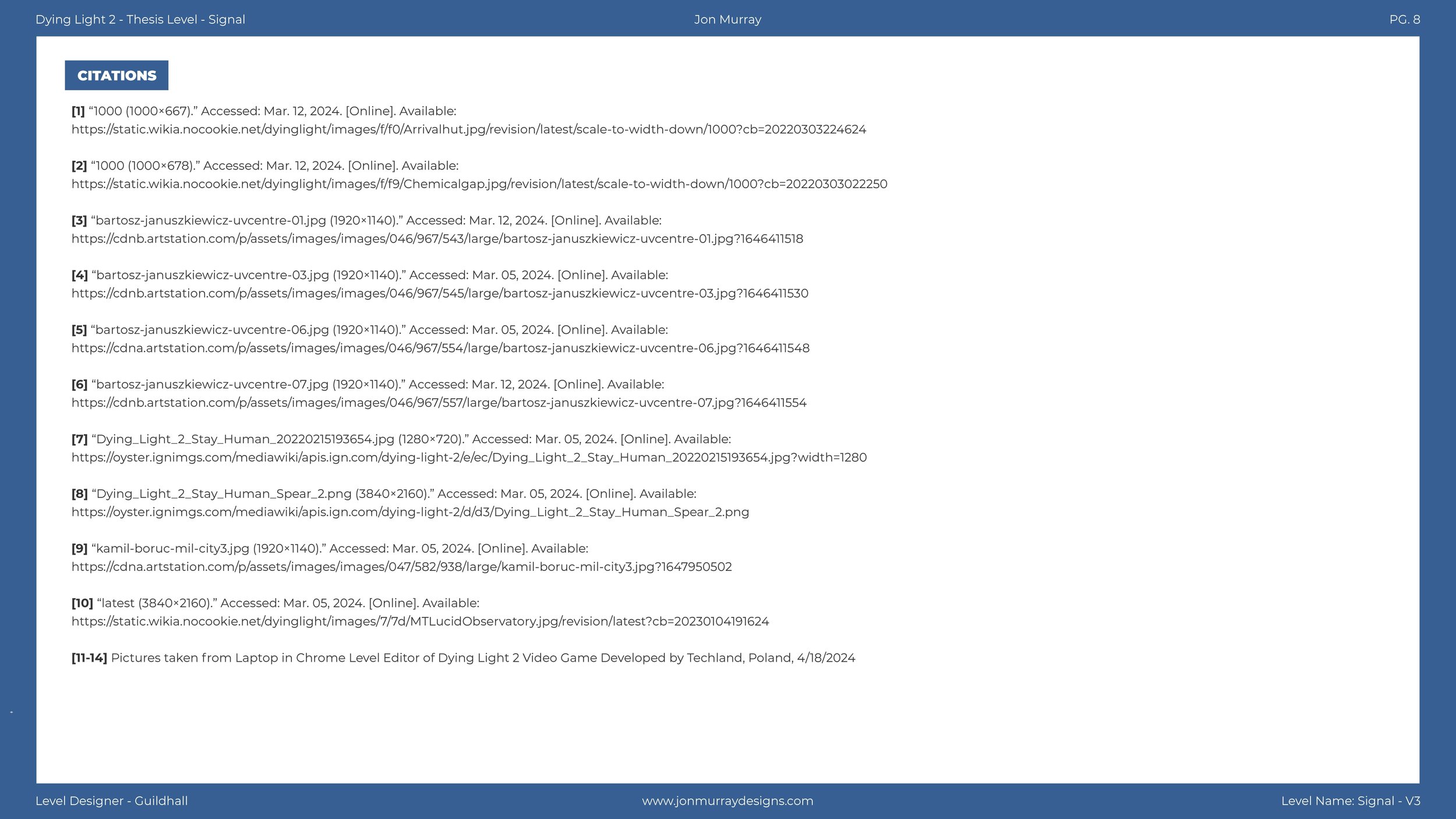
Level Design Documentation
NEXT

The Wastelander Games
Creation Kit / Fallout 4

Let Me See Gray
Creation Kit / Fallout 4